Field notes: the week the clouds gave the dark fleet four clean days
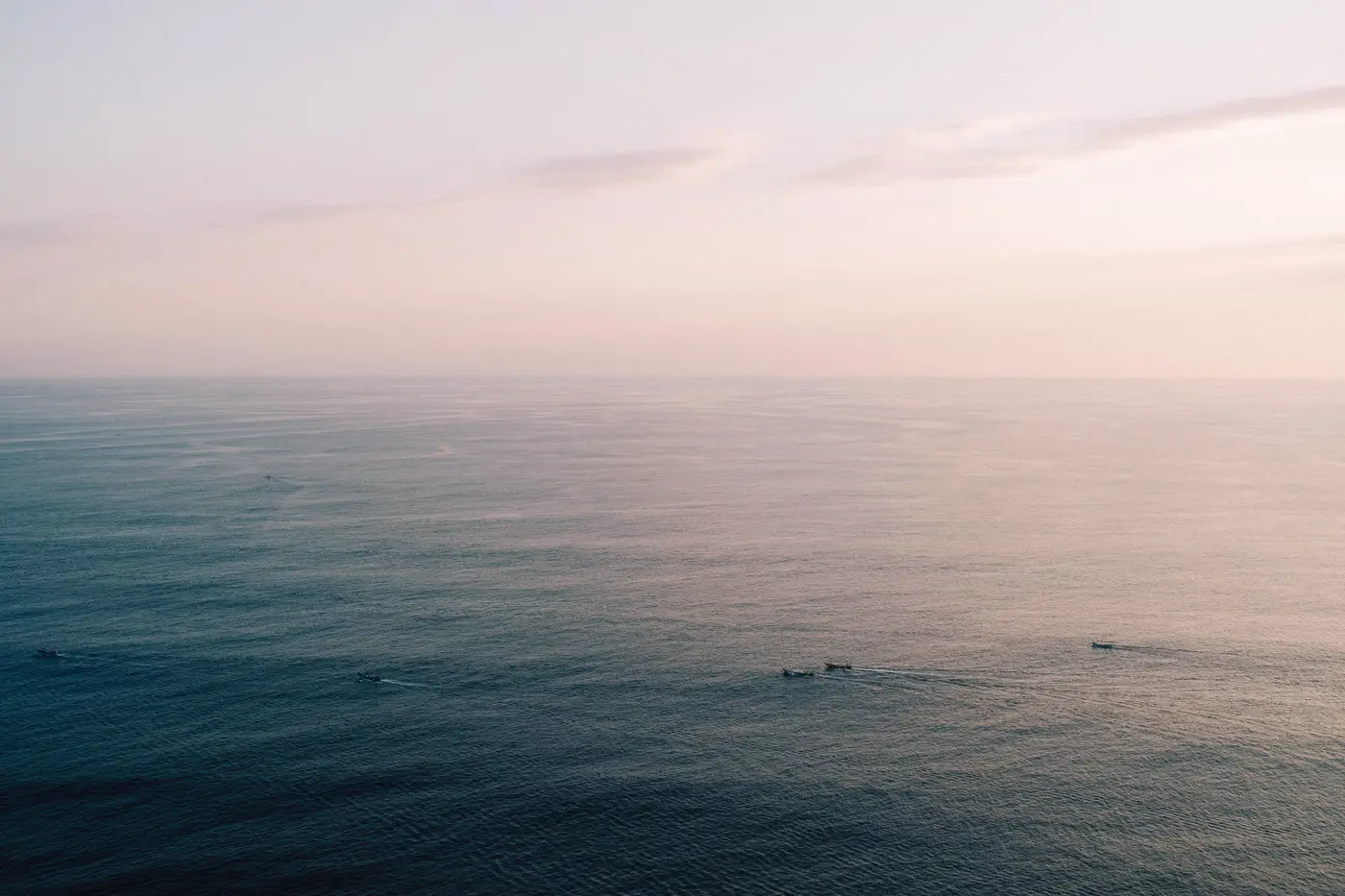
Most weeks you get one clean pass, maybe two, before the cloud deck rolls back in and the optical feed turns into a watch for next time. Four days running, nothing but clear sky over a stretch of water that's shown a recurring AIS-gap cluster for months. Nobody planned it that way. It's just what the satellite calendar handed us.
The gap itself wasn't new. Analysts on this desk had flagged the pattern before: a handful of vessels going dark on AIS in roughly the same box, for a day or two at a stretch, then reappearing on the broadcast record somewhere else entirely. The working theory was transshipment staging, gear recovery, or just worn-out equipment on a few older hulls. Theories are cheap when you've only got one or two optical looks a month to test them against.
Four consecutive clean days changes the math. Instead of a single snapshot that could be read a dozen ways, you get a sequence. Day one: six vessels sitting in the box, three of them broadcasting, three not. By day two, the same three dark vessels show up in slightly different positions, consistent with a slow transit rather than a hold. One of them reappears on AIS about forty nautical miles east on day three, the timestamp close enough to match the same hull. The other two vanish from the optical frame entirely by day four, with no AIS reappearance to pair against them.
One dark detection is a data point. Four days of them, moving in the same direction, with one vessel's reappearance timed to the transit, read as a track. That's the difference between flagging a box on a chart and being able to say something useful to whoever's deciding where the patrol boat goes next.
The part worth writing down for the next analyst who inherits this desk: the four clean days didn't come from better detection. Same sensor, same resolution, same daily pass. What changed was the weather cooperating long enough to string looks together instead of working with isolated hits three weeks apart. The intelligence value in this trade sits in that stringing-together. A single clear day tells you a vessel was there and wasn't broadcasting. A run of clear days tells you what it was doing about it.
It also exposed a gap in how this desk had been logging unmatched detections. Up to now, each day's dark-vessel list got reviewed and filed more or less on its own. There wasn't a clean way to pull four days of unmatched positions for the same box and lay them side by side without going back through the archive by hand, which is its own kind of AIS-gap trawling, just done with satellite passes instead of broadcast logs. A desk that wants to use runs like this one needs the daily detection list set up from the start to be pulled and compared, not just reviewed and shelved.
None of this closes the file. The two vessels that dropped off entirely on day four are still an open question, and the weather's back to its usual self this week, one look if we're lucky. But it was a useful four days for seeing what the pattern looks like when you can watch it move instead of guessing at it between gaps. That's the whole case for building the dark-fleet picture off a daily feed rather than an occasional one. Illegal Fishing Detection runs that AIS-correlation check every day it has a clear look, so when a clean stretch like this one shows up, the list is already there waiting to be strung together instead of built from scratch.
If your desk is still piecing these runs together by hand, it might be worth seeing what a daily unmatched-detection list looks like over a real stretch of weather.