Blog
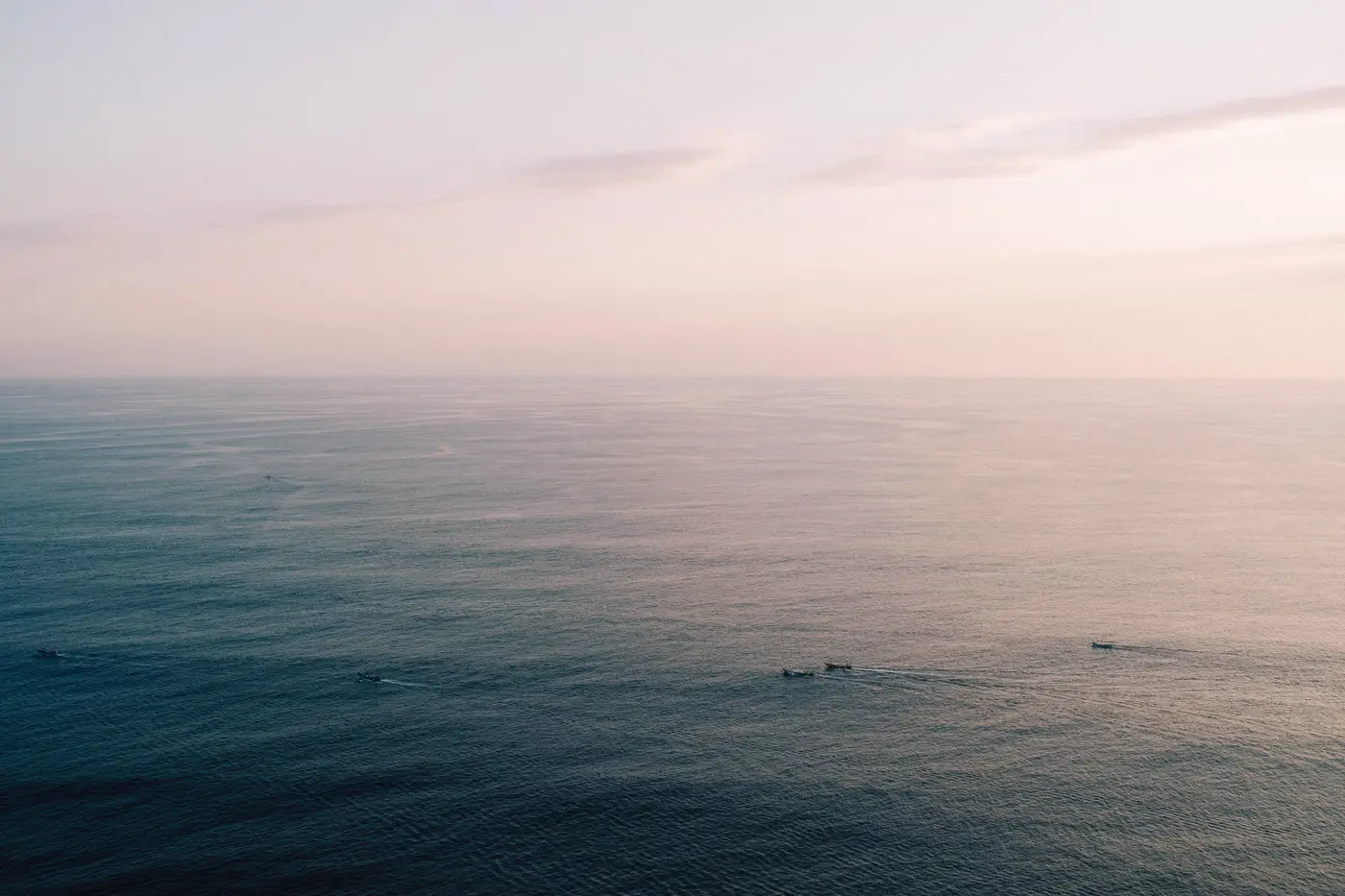 Field notes: the week the clouds gave the dark fleet four clean days
A watch-desk note on what four straight days of clear optical imagery showed about a known AIS-gap cluster, and what it didn't.
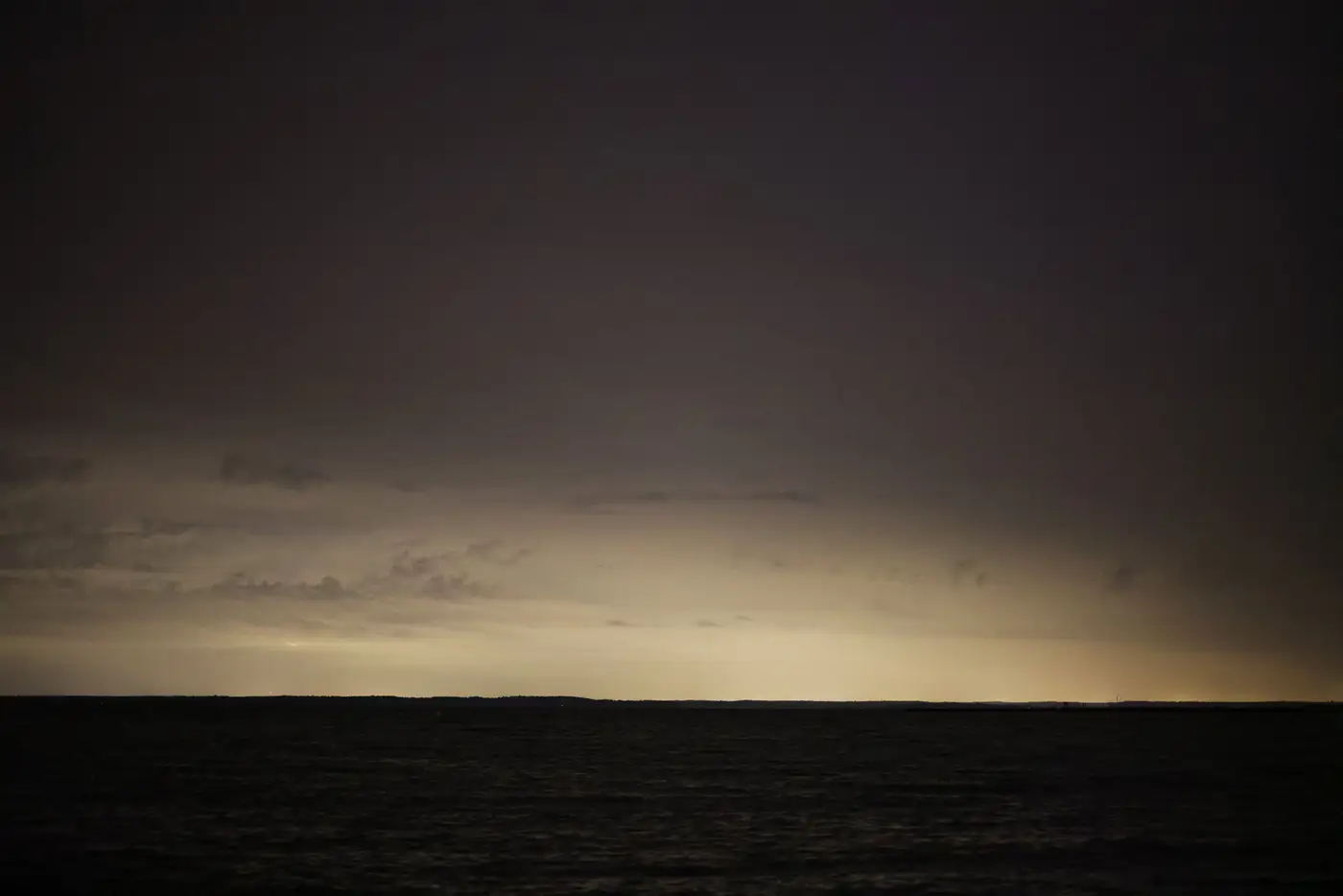 Why RGB satellite imagery can't catch a dark fleet fishing at night
Optical satellites need sunlight to see a hull. What that means for dark fleet detection after dusk, and where a daily daytime pass still helps a watch desk.
- Prioritizing unmatched vessel detections when you've got one patrol boat
A watch desk triage method for ranking unmatched AIS detections when patrol assets are scarce and only a few can be chased each day.
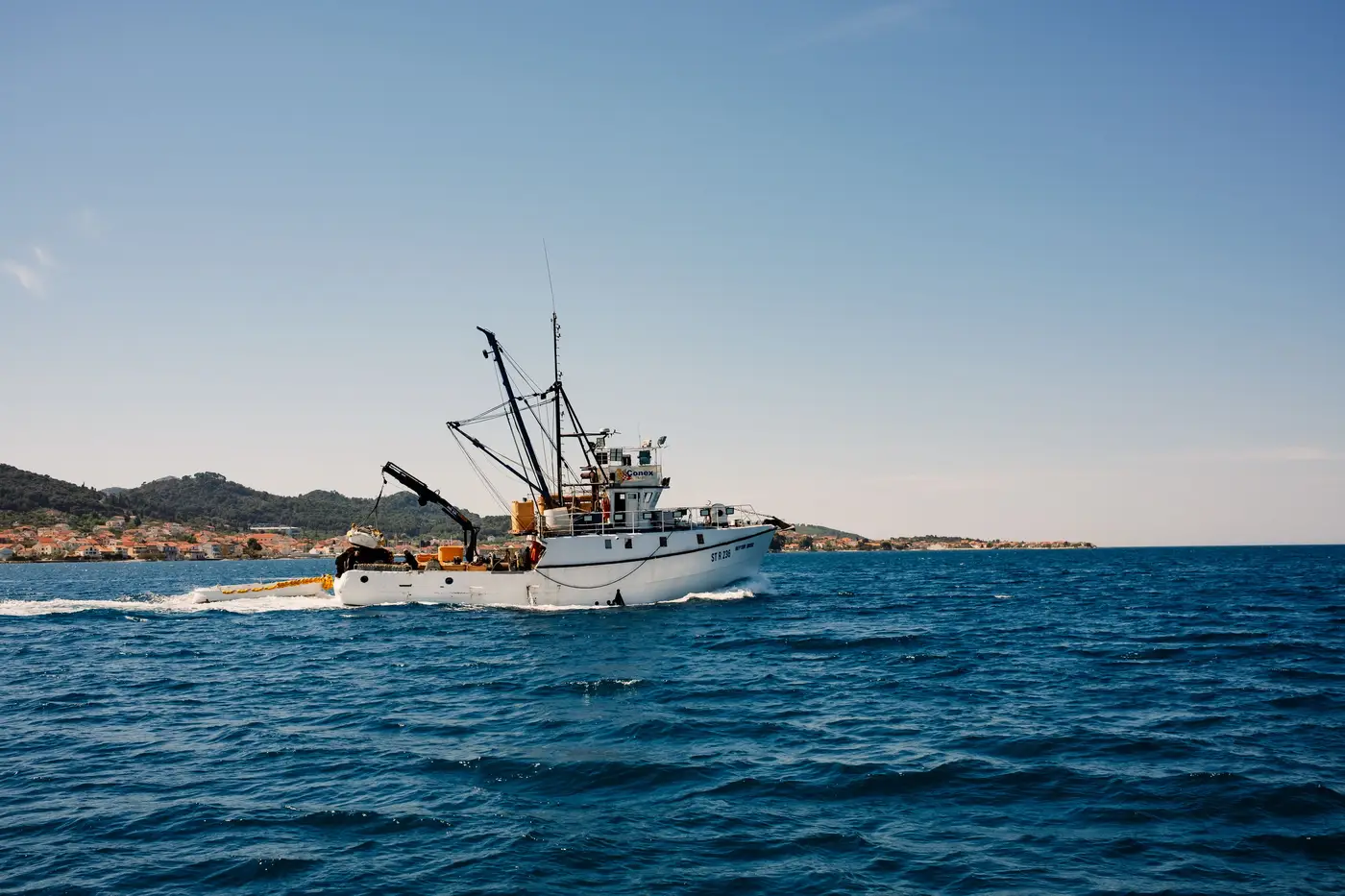 What is a vessel track history, and why build one before dispatch?
Why MCS desks build a vessel track history from repeat unmatched sightings before tasking a patrol, instead of acting on one AIS gap.
- Field notes: the same dark contact, three nights running
A watch-desk field note on catching the same dark vessel across three nights using daily unmatched detection exports instead of manual AIS-gap review.
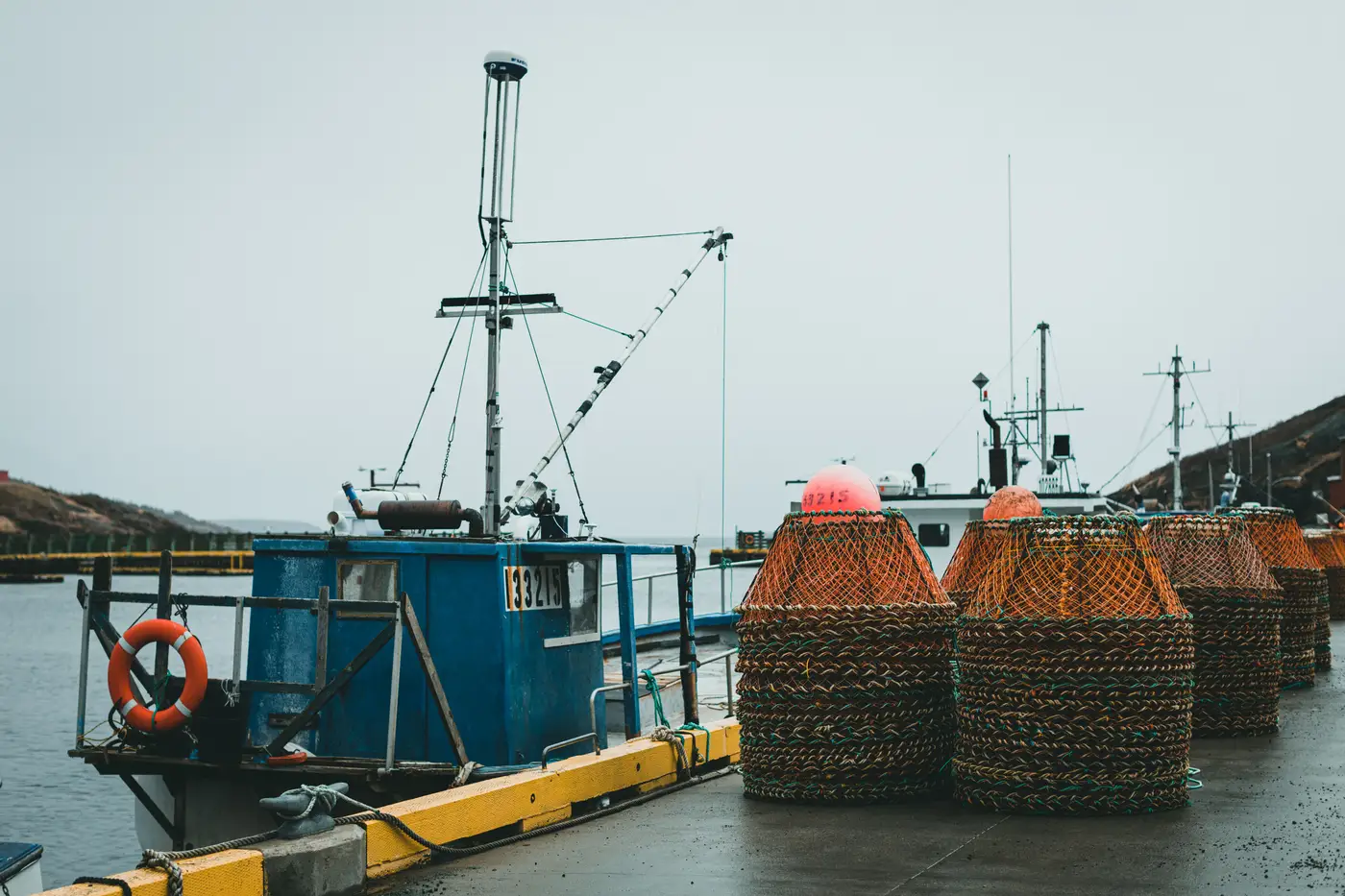 What is a port state measures agreement, and why it matters for a watch desk
What the Port State Measures Agreement requires, and why port entry denials alone can't catch vessels that never request entry.
- Setting a correlation window for daily optical-to-AIS vessel matching
How to pick a time tolerance for matching satellite vessel detections to AIS tracks, and why the window shapes your daily dark fleet list.
 What counts as a false match in AIS-optical correlation
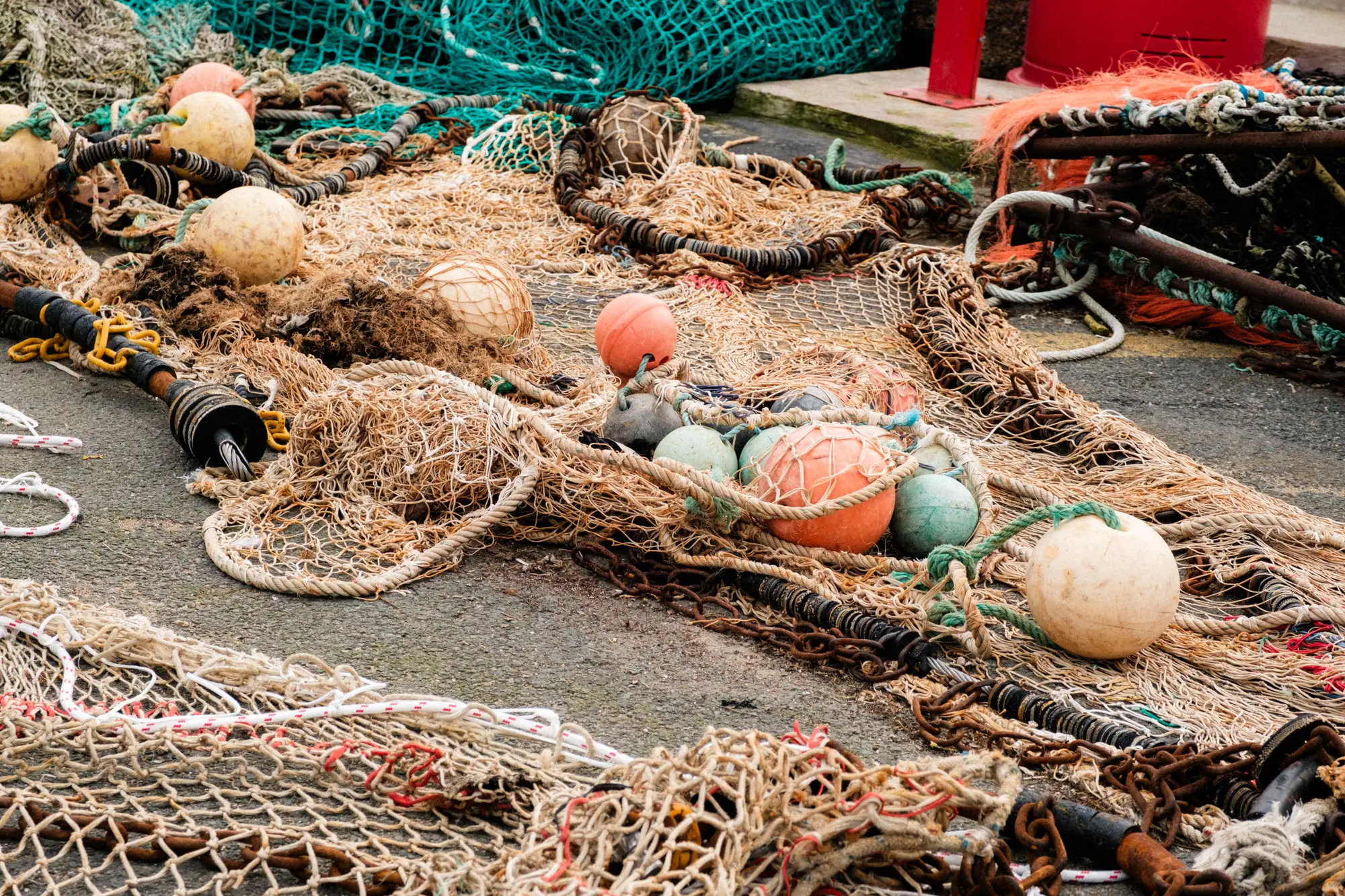
A breakdown of what makes a satellite-to-AIS match false, and why not every unmatched detection is a dark vessel.
- Field notes: the night the unmatched list had fourteen contacts, and one was a drill
A watch-desk field note on a fourteen-contact unmatched list, the one drill vessel buried in it, and what that says about dark fleet work.
- How to tell a trawler from a longliner in satellite imagery
Gear signatures, deck layout and stern features that separate trawlers from longliners in high-res optical imagery, for watch desk vessel calls.
 Purse seiner or longliner? Reading hull and deck gear in satellite imagery
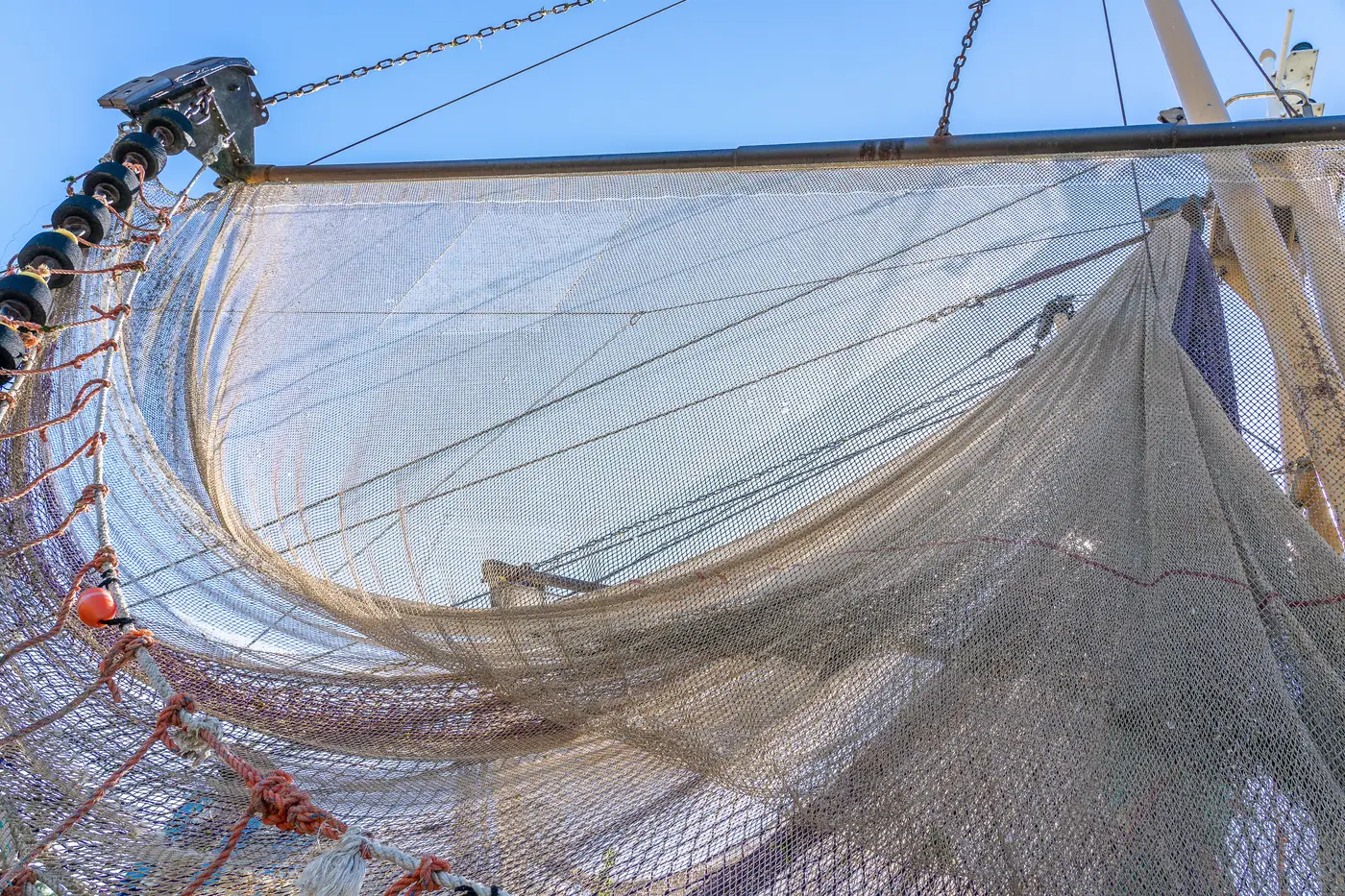
How to tell a purse seiner from a longliner in high-res optical imagery using hull shape, deck gear and size class, not just AIS type codes.
- Transshipment at sea vs port landing: how enforcement tracks each
A watch desk guide to the paper trail and gaps in tracking ship-to-ship transfers at sea versus catch landed at a declared port.
 SAR vs optical satellite imagery for vessel detection: what actually changes
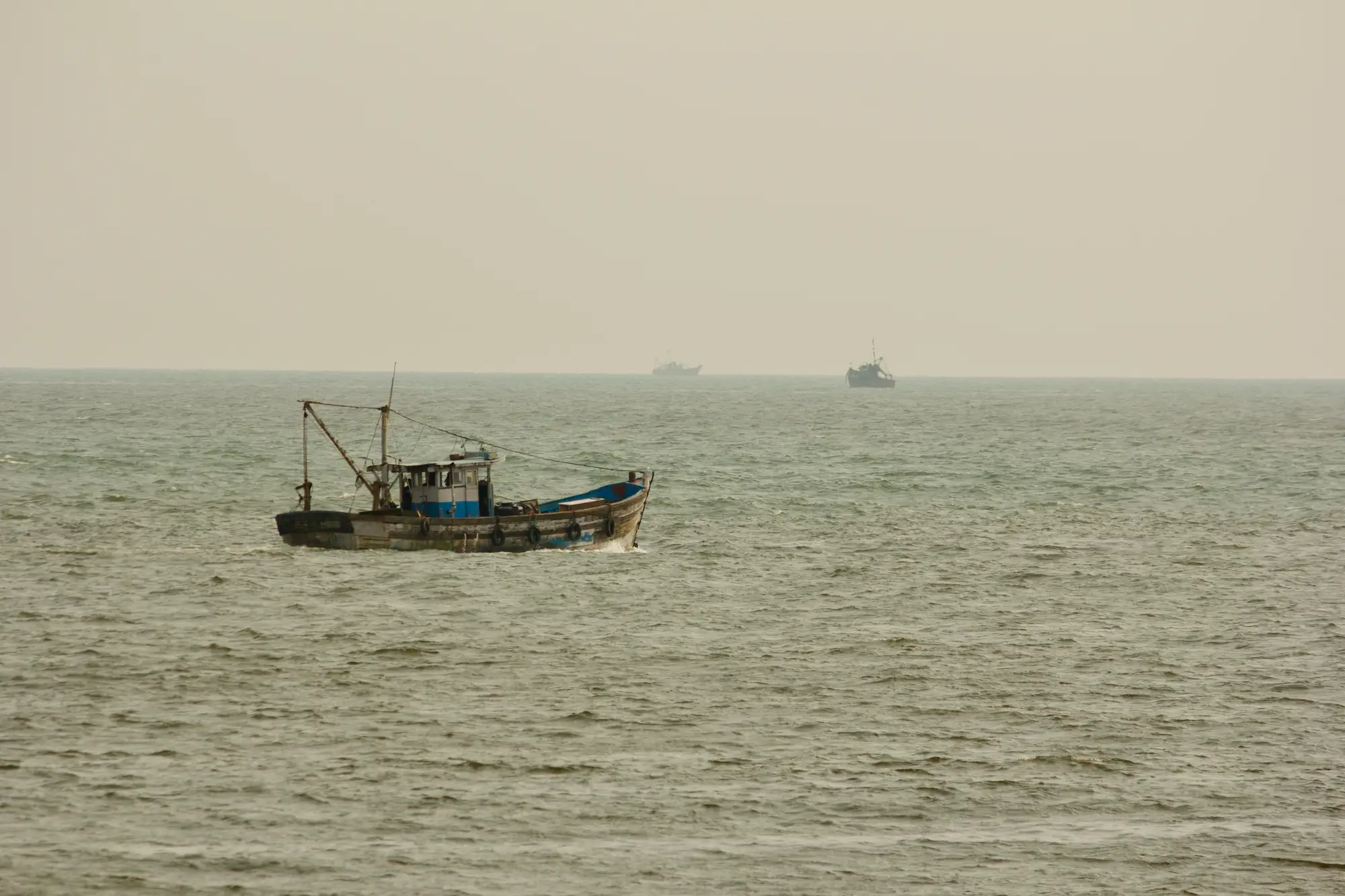
A watch-desk look at SAR and optical satellite feeds for vessel detection: what each sees, where cloud cover matters, and how to pick for daily tasking.
- VMS vs AIS: what each system actually tells a watch desk
VMS and AIS both report vessel position, but they answer to different rules and different audiences. Here's where the two overlap and where they don't.
- AIS spoofing vs. AIS gap: how to tell them apart
AIS spoofing and AIS gaps look alike on a watch desk plot but call for different responses. Here's how to tell which one you're looking at.
- How to estimate vessel size class from satellite imagery
A field guide to measuring vessel length from optical satellite imagery and sorting detections into size classes for an MCS watch desk.
- Satellite AIS vs terrestrial AIS: where the coverage breaks down
A plain look at how terrestrial and satellite AIS differ, where S-AIS drops signal, and why neither one closes the gap a dark fleet exploits.
- What is a dark vessel in fisheries monitoring?
A dark vessel is a boat on the water with no matching AIS signal. Here's what that means for an MCS watch desk and how the gap gets found.